

In the rapidly evolving world of social media, success is often driven by the ability to make swift informed decisions. As a content creator, understanding the impact of your social media efforts is paramount. This is where analytics steps in — transforming raw data into actionable insights. By dissecting user engagement, reach, and conversion metrics, analytics empower you to refine your content strategy, optimize your posts, and achieve measurable results. Whether you’re aiming to increase engagement, enhance visibility, or drive conversions, embracing the power of social media analytics is essential for staying ahead in the digital arena.
Understanding the Basics
Social media analytics plays a pivotal role in digital marketing by providing insights into the performance and impact of social media campaigns. It encompasses the collection, analysis, and interpretation of data derived from social media platforms to inform strategic decision-making and optimize marketing efforts.
Key Metrics to Track
Engagement Metrics: Metrics such as likes, shares, comments, and retweets/repost provide insights into how audiences interact with content. High engagement rates indicate resonance with the target audience, while low engagement may signal a need for content optimization or strategy refinement.
Audience Demographics: Social media platforms offer valuable demographic data, including age, gender, location, interests, and behaviors of followers and users. Understanding audience demographics helps marketers tailor content and messaging to resonate with specific audience segments. Social media platforms track users’ interests and hobbies through their online activities, interactions, and profile information. By analyzing this data, marketers can identify common interests, hobbies, and preferences among their audience segments and create content that aligns with their interests. Geographic data allows marketers to tailor content based on regional preferences, cultural nuances, and local events. Understanding the age and gender distribution of your audience is fundamental for creating content that resonates with different demographic segments. For instance, content designed for a younger audience might incorporate trendy language and visual elements, while content targeted at older demographics may focus on more traditional messaging styles.
Reach and Impressions: Reach refers to the total number of unique users who see a piece of content, while impressions represent the total number of times content is displayed. Analyzing reach and impressions helps marketers assess the visibility and virality of their content and evaluate the effectiveness of their distribution strategies.
Conversion Metrics: Conversion metrics track actions taken by users in response to social media campaigns, such as website visits, sign-ups, purchases, and downloads. By analyzing conversion data, marketers can measure the ROI of their social media efforts and identify opportunities for optimization.
Top Analytics Tools Every Content Creator Should Know
In the dynamic world of digital marketing, mastering key analytics tools is essential for success. This section highlights indispensable tools like Google Analytics, Facebook Insights, and Twitter Analytics, which provide deep insights into user engagement and campaign performance, enabling marketers to fine-tune their strategies and achieve targeted results. Understanding these tools can transform how content creators connect with their audience and gauge the effectiveness of their social media efforts.
Google Analytics
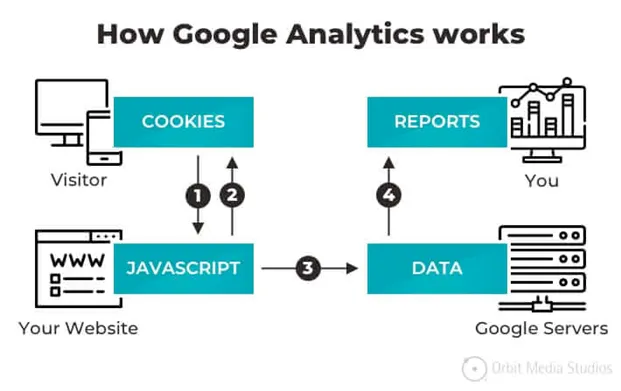
While primarily known for website analytics, Google Analytics also provides valuable insights into social media traffic, referral sources, and user engagement. Marketers can track social media-driven conversions, analyze user behavior on landing pages, and measure the impact of social media campaigns on website performance.
Facebook Insights
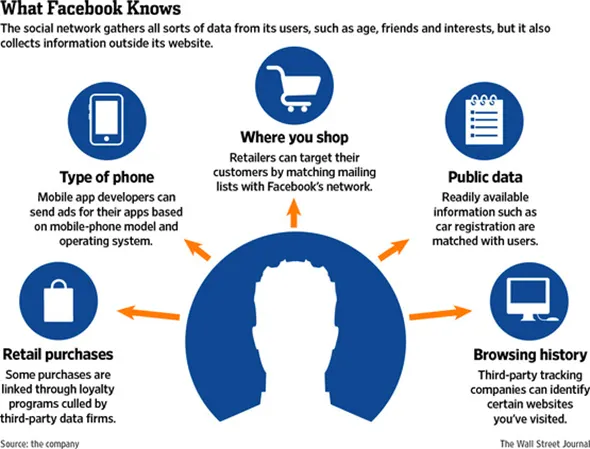
Facebook Insights offers detailed analytics for Facebook Pages, including data on page likes, post reach, engagement, and audience demographics. Marketers can track the performance of individual posts, identify peak engagement times, and gain insights into audience preferences and interests.
Twitter Analytics
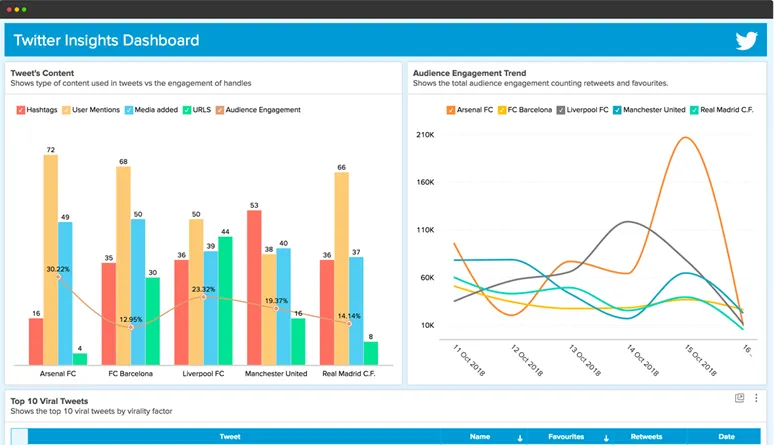
Twitter Analytics provides metrics on tweet performance, audience engagement, and follower growth. Marketers can track impressions, clicks, retweets, and replies for individual tweets, monitor trending topics and hashtags, and identify influential followers and advocates.
Integrating Analytics into Your Social Media Strategy
Setting clear objectives and key performance indicators (KPIs) is essential for the success of social media campaigns. It provides a framework for measuring performance, tracking progress, and evaluating the effectiveness of marketing efforts. KPIs enable marketers to quantitatively measure and evaluate the performance of social media campaigns, allowing for data-driven decision-making and optimization. Here are the some common KPIs to track –
Reach and Impressions
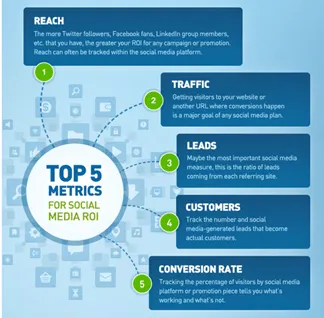
The total number of unique users who have seen your content. Track the reach of your social media posts, campaigns, or ads across platforms. Impressions is the total number of times your content has been displayed. Monitor the number of impressions generated by your social media content to gauge visibility.
Click-Through Rate (CTR)
The percentage of users who click on a link or call-to-action (CTA) after viewing your content. Calculate the CTR for links included in your social media posts or ads to assess audience engagement.
Conversion Rate
The percentage of users who complete a desired action, such as filling out a form or making a purchase, after clicking on a link. Measure the conversion rate of social media traffic to leads or sales on your website.
Engagement Rate
The percentage of users who interact with your content through likes, comments, shares, or other actions. Calculate the engagement rate per post or campaign to evaluate audience engagement levels.
Response Time
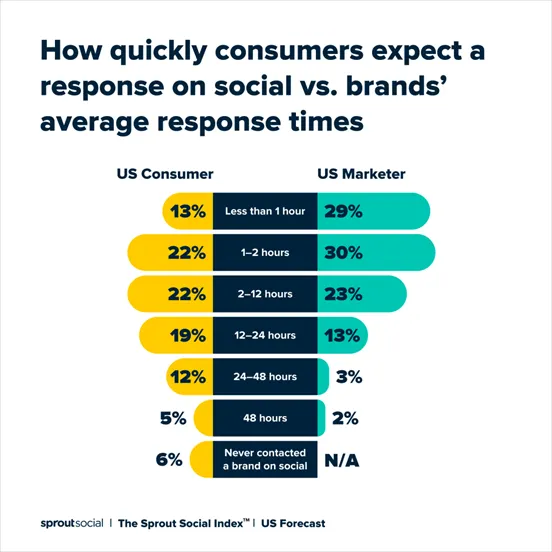
The average time taken to respond to user inquiries, comments, or messages on social media. Monitor response times and aim to maintain prompt and timely responses to customer interactions.
Referral Traffic
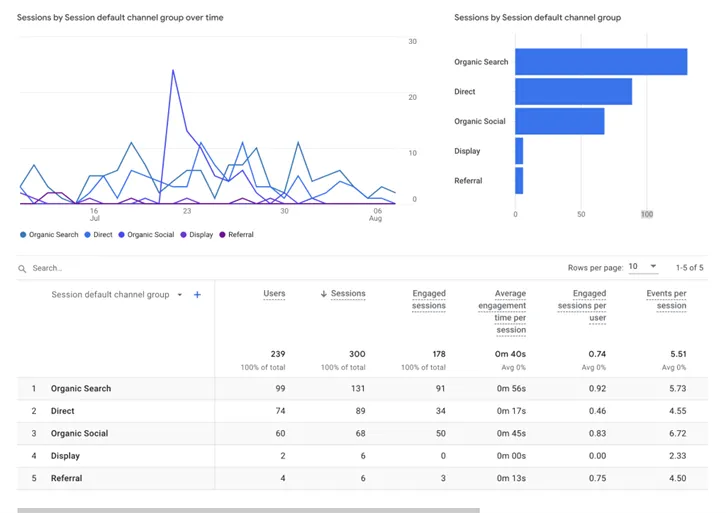
The amount of traffic driven to your website from social media platforms. Analyze referral traffic data from analytics tools like Google Analytics to track visits originating from social media sources.
Bounce Rate
The percentage of users who navigate away from your website after viewing only one page. Monitor bounce rates for social media traffic to assess the relevance and effectiveness of landing pages.
Growth Rate
The rate at which your social media following is expanding over time. Calculate the percentage increase in followers within a specified period.
Engagement by User Type
The level of engagement exhibited by different user segments, such as followers, brand advocates, or influencers. Segment engagement metrics by user type to identify key contributors to community engagement.
Advanced Analytical Approaches
Leveraging key performance indicators (KPIs) such as reach, impressions, engagement rate, conversion rate, referral traffic, and follower growth rate enables marketers to make smarter social media decisions. By analyzing these metrics, marketers can gain valuable insights into the effectiveness of their social media campaigns and optimize their strategies for better results. For instance, tracking reach and impressions helps assess content visibility and virality, guiding decisions on content distribution and audience targeting. Engagement metrics like engagement rate and response time provide insights into audience interaction and satisfaction, informing content creation and community management efforts. Conversion metrics such as click-through rate and conversion rate help measure the impact of social media campaigns on driving desired actions, facilitating optimization of messaging and call-to-action strategies. Additionally, monitoring referral traffic and bounce rate aids in evaluating the quality of website traffic generated from social media, informing website optimization and user experience enhancements. Finally, tracking follower growth rate and engagement by user type facilitates community building and identification of key influencers or brand advocates, guiding influencer marketing and partnership strategies. Overall, leveraging these KPIs empowers marketers to make data-driven decisions, refine their social media strategies, and achieve meaningful business outcomes in the dynamic digital landscape.
Segmentation and Targeting: Tailoring Your Content
Segmenting audiences involves several key strategies to effectively categorize and target different groups of users:
Demographic Segmentation: This method divides audiences based on identifiable demographic factors like age, gender, location, education level, income, and occupation. By understanding these characteristics, marketers can tailor content to meet the specific needs and preferences of different demographic groups.
Psychographic Segmentation: Audience segmentation based on psychological characteristics, lifestyle, values, interests, attitudes, and behavior allows marketers to create content that resonates with the beliefs, interests, and aspirations of their target audience. Understanding the psychographic profiles enables more nuanced and personalized messaging.
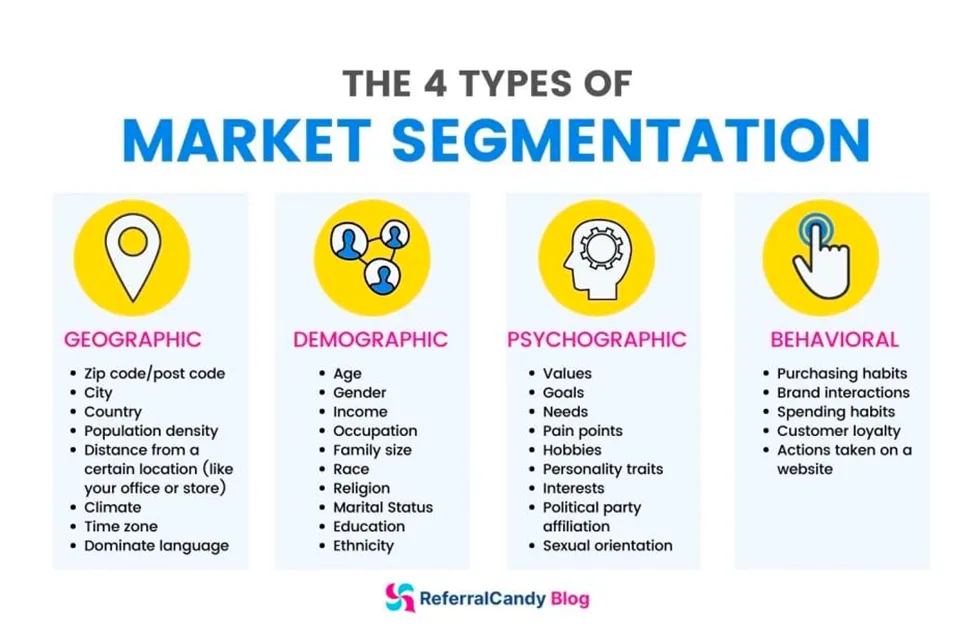
Behavioral Segmentation: By segmenting audiences based on past behavior, interactions, purchase history, engagement with the brand, and frequency of visits, marketers can identify different stages of the customer journey. This segmentation facilitates targeted messaging and content delivery, aligning with user preferences and behavior.
Technographic Segmentation: Segmenting audiences based on their technology usage, preferences, and digital habits allows marketers to tailor content and messaging for users who prefer specific devices, platforms, or technologies. Understanding these preferences enables marketers to optimize content delivery and engagement across different technological platforms.
These segmentation strategies provide a framework for understanding and categorizing audiences based on relevant criteria, enabling marketers to deliver personalized and targeted content that resonates with the unique needs and preferences of their target audience segments.
Tailoring the Experience: Advanced Personalization Strategies for Audience Engagement
In today’s digital landscape, personalization is not just a trend but a cornerstone of successful marketing strategies. As content creators and marketers, understanding and implementing personalized content tailored to various audience segments can significantly enhance engagement and foster deeper connections with your audience. From A/B testing and user-generated content (UGC) to dynamic content and segmented email campaigns, this section explores how these powerful tools can be utilized to deliver content that resonates with each unique viewer. By adopting these advanced personalization strategies, you can create more impactful, relevant, and personalized experiences that not only attract but also retain audience interest in a crowded digital space.
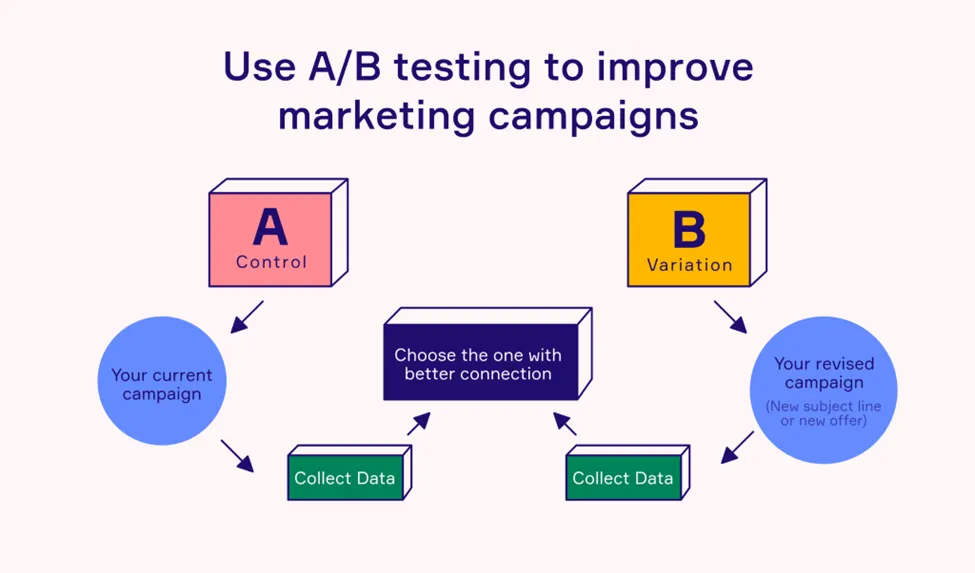
A/B Testing: A/B testing, also known as split testing, is a method used in marketing and product development to compare two versions of a webpage, email, advertisement, or other marketing asset. It works by randomly showing two variations, A and B, to different groups of users and measuring which one performs better based on predefined metrics like click-through rates or conversion rates. By analyzing the results, marketers can determine which version is more effective in achieving their goals and make data-driven decisions to optimize their marketing strategies. A/B testing helps improve user experience, increase engagement, and maximize the effectiveness of marketing campaigns.
User-Generated Content (UGC): User-Generated Content (UGC) refers to content created and shared by users rather than brands or organizations. It includes posts, reviews, videos, images, and testimonials that users voluntarily contribute on social media platforms, forums, or websites. UGC is valuable for businesses as it provides authentic, genuine perspectives from customers, enhancing brand credibility and trust. By encouraging UGC, brands can foster community engagement, amplify brand awareness, and create meaningful connections with their audience. Additionally, UGC serves as a powerful marketing tool, driving organic reach, increasing user involvement, and influencing purchasing decisions through peer recommendations and social proof.
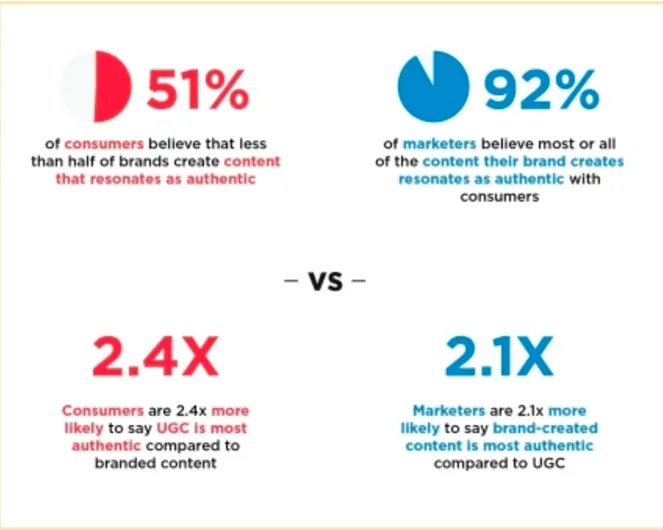
Customized Messaging: Create personalized messages that address the unique needs, challenges, and interests of different audience segments. Tailor your content to resonate with specific demographic, psychographic, or behavioral characteristics of your audience.
Dynamic Content: Implement dynamic content that adapts based on user behavior, preferences, or profile information. Use dynamic elements such as personalized recommendations, product suggestions, and user-generated content to enhance engagement and relevance.
Segmented Email Campaigns: Customize your email campaigns based on audience segmentation criteria, delivering targeted messages and offers to different audience segments. Use segmentation tools and analytics to personalize subject lines, content, and calls-to-action for maximum impact.
By implementing these strategies, marketers can effectively segment their audiences based on relevant criteria and personalize content and messaging to enhance audience engagement, drive conversions, and build meaningful relationships with their target audience.
Harnessing the Power of Real-Time Monitoring in Social Media Campaigns
Real-time monitoring plays a pivotal role in the success of social media campaigns by enabling marketers to stay agile, responsive, and adaptive in an ever-evolving digital landscape. It allows for the immediate detection of emerging trends, conversations, and sentiments, empowering marketers to capitalize on opportunities and address issues promptly.
In the fast-paced world of social media, real-time monitoring provides valuable insights into audience behavior, engagement levels, and campaign performance metrics. By tracking social media mentions, trending topics, and user conversations across various platforms, marketers gain a comprehensive understanding of brand sentiment and industry dynamics in real-time.
A plethora of tools and technologies are available to facilitate real-time monitoring and analysis of social media data. Platforms like PlatterHub.ai, Hootsuite, Sprout Social, and Mention offer advanced monitoring capabilities, allowing marketers to track keywords, hashtags, and brand mentions across multiple social channels. These tools provide customizable dashboards, sentiment analysis, and real-time alerts, enabling marketers to stay informed and proactive in managing their social media presence.
Real-time monitoring also facilitates agile optimization strategies based on immediate insights and feedback. By closely monitoring audience engagement, content performance, and competitive benchmarks, marketers can identify areas for improvement and implement adjustments in real-time. This agility enables marketers to experiment with different content formats, messaging strategies, and targeting parameters to optimize campaign effectiveness and drive meaningful results.
Furthermore, real-time monitoring enables marketers to respond swiftly to customer inquiries, complaints, and feedback, fostering positive brand experiences and enhancing customer satisfaction. By engaging with audiences in real-time, marketers can build trust, loyalty, and advocacy, strengthening brand relationships and driving long-term success in the digital marketplace.
Navigating the Future of Social Media Analytics: Challenges and Innovations
Social media analytics encounters significant challenges, notably concerning data privacy and accuracy. Privacy concerns arise due to the extensive collection of user data, necessitating stringent compliance with regulations like GDPR. Data accuracy issues, such as incomplete or inconsistent datasets, also hinder reliable insights, impeding informed decision-making.
Amidst these challenges, emerging trends and innovations offer promising avenues for advancement. AI-powered analytics and machine learning algorithms enhance data processing and predictive capabilities, uncovering valuable patterns from complex datasets. Augmented analytics, integrating AI and natural language processing, streamlines analysis and boosts decision-making efficiency.
However, ethical considerations remain paramount. Transparency, consent, and accountability are foundational principles in data practices. Upholding user trust and privacy is essential, necessitating adherence to ethical frameworks and guidelines.
In conclusion, leveraging analytics for smarter social media decisions is crucial in the digital era. By embracing emerging trends and addressing challenges while upholding ethical standards, marketers can optimize strategies, drive engagement, and achieve tangible results. As we advance, prioritizing data-driven approaches and ensuring ethical data usage are essential for responsible social media marketing practices.
PlatterHub.ai
Your Ultimate Influencer Companion!
Unlock the power of a cutting-edge platform designed to elevate every aspect of your creative journey. Platter Hub seamlessly integrates a suite of AI-powered tools, streamlining influencer’s workflow from start to finish. Say goodbye to inefficiencies and hello to optimized productivity.
With Platter Hub, influencer can orchestrate their entire process, from ideation to monetization, with ease. Our intelligent tools are finely tuned to maximize your income potential, empowering you to focus on what you do best: creating.
Join the community of forward-thinking creators who trust Platter Hub to revolutionize their workflow and unleash their full earning capacity.
