

In today’s interconnected world, the social media landscape stands as a dynamic ecosystem where individuals, businesses, and communities interact, share information, and shape perceptions. The term “social media landscape” encompasses the multitude of platforms and networks that enable users to connect and engage virtually, from Facebook and X to newer platforms such as TikTok, Instagram and Linkedin. This digital terrain is not merely a space for casual interactions; it has evolved into a powerful force that influences opinions, drives trends, and shapes socio-cultural narratives.
The significance of the social media landscape in the contemporary digital age cannot be overstated. It has fundamentally transformed the way we communicate, consume information, and conduct business. From its humble beginnings as a means for personal networking and self-expression, social media has evolved into a multifaceted realm that permeates nearly every aspect of our lives. Whether it’s keeping up with friends and family, discovering new products and services, or participating in social movements and activism, social media has become an integral part of our daily existence.
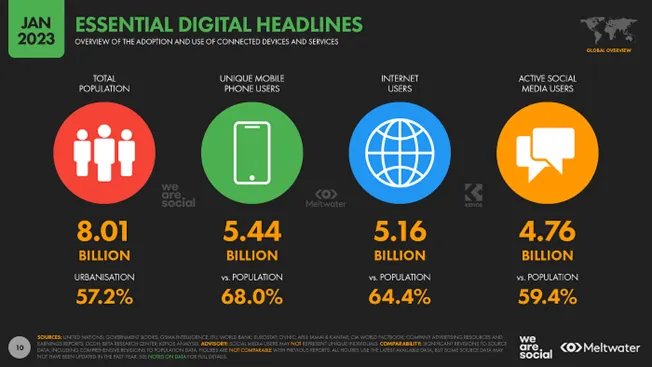
However, the sheer scale and complexity of the social media landscape also present challenges and risks. In this context, effective social media management emerges as a critical imperative for individuals, organizations, and brands alike. Effective management encompasses a spectrum of activities, from strategic planning and content creation to community engagement and crisis response. It entails not only leveraging the opportunities afforded by social media but also mitigating the inherent risks and navigating the ever-evolving digital terrain with agility and foresight.
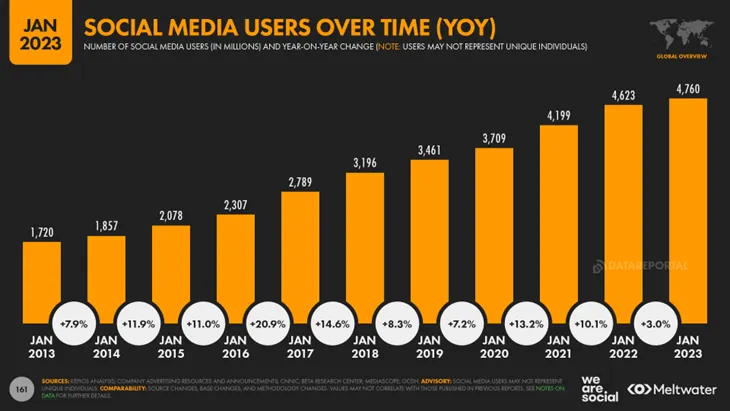
Trends and Changes in Social Media Usage Over Time
In today’s ever-evolving digital landscape, the dynamics of social media usage are constantly shifting. From the widespread adoption of mobile devices to the rise of visually captivating content, the way we engage with social platforms has undergone a profound transformation. With an emphasis on mobile accessibility, an explosion of visual content, and the emergence of ephemeral storytelling, users are navigating a new era of social media experiences. Let’s delve deeper into these trends and changes shaping the social media landscape over time.
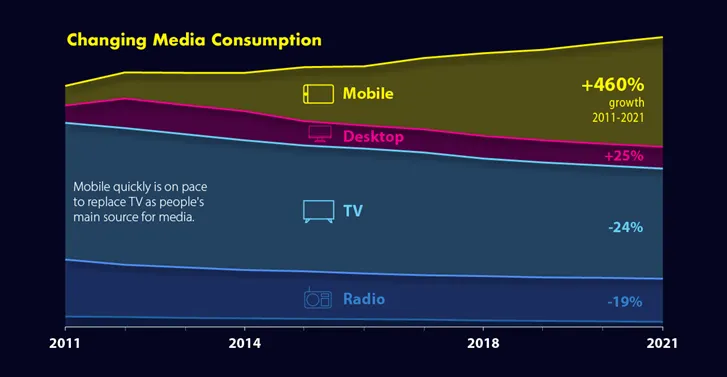
Mobile Dominance: The shift towards mobile devices has significantly influenced social media usage patterns, with a growing emphasis on mobile-friendly experiences and content formats.
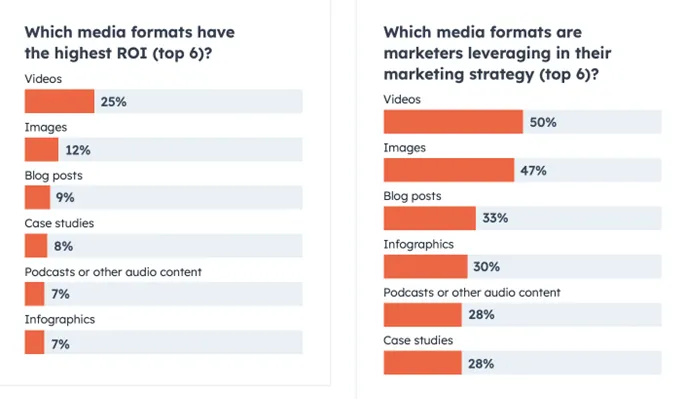
Rise of Visual Content: Visual content, including images, videos, and infographics, has become increasingly prevalent across social media platforms, reflecting users’ preference for engaging and shareable media.
Ephemeral Content: The popularity of ephemeral content, such as stories on Instagram and Snapchat, reflects a growing desire for authentic, in-the-moment sharing that fosters a sense of immediacy and intimacy.
Impact of Social Media on Individuals, Businesses, and Society
Social media’s impact on individuals, businesses, and society is profound. It facilitates connectivity, self-expression, and community-building for individuals, while businesses leverage it for brand promotion, customer engagement, and market research. However, its societal impact extends beyond communication and commerce, influencing cultural norms, political discourse, and social movements. Social media has democratized access to information but also raised concerns about privacy and misinformation.
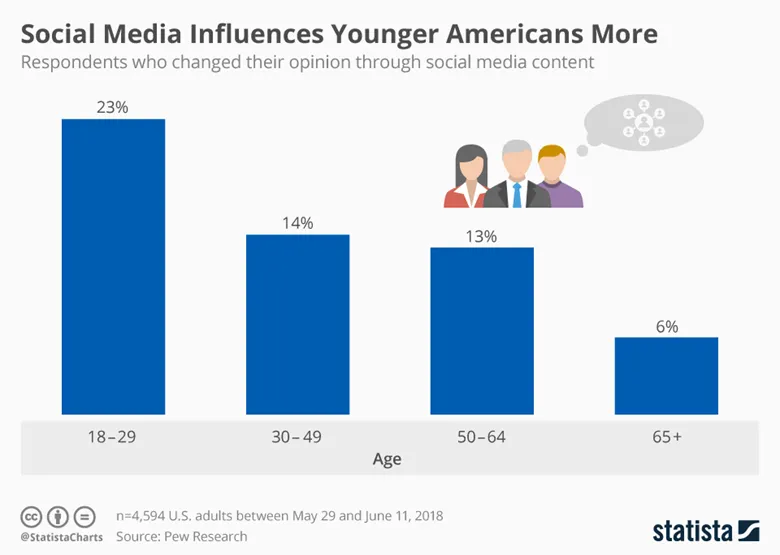
Understanding these dynamics is crucial for navigating the social media landscape responsibly. Individuals must recognize the power of their digital footprint, while businesses need to leverage social media strategically to build meaningful relationships with their audience. Policymakers must address issues like data privacy and online misinformation to foster a safe and equitable digital environment. As social media continues to evolve, its influence on our lives underscores the need for thoughtful engagement and proactive management strategies.
Strategies for Effective Social Media Management
In today’s fast-paced digital world, effective social media management is indispensable for businesses seeking to connect with their audience and drive meaningful engagement. From defining clear objectives to leveraging influencer partnerships, mastering the art of social media requires a strategic approach and a keen understanding of evolving trends. In this comprehensive guide, we’ll explore proven strategies and best practices for optimizing your social media presence, from audience targeting to crisis management.
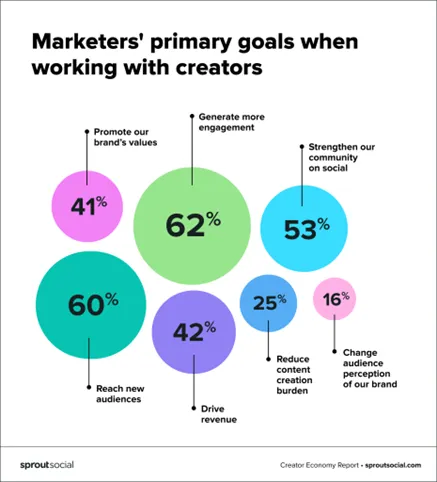
Define Clear Objectives and Goals: Establishing clear objectives and goals is fundamental to any social media strategy. Whether it’s increasing brand awareness, driving website traffic, or generating leads, defining measurable goals provides direction and enables evaluation of success.
Understanding Your Target Audience and Their Preferences: To effectively engage with your audience, it’s essential to understand their demographics, interests, and behaviors. Conducting audience research and utilizing tools like social media analytics can provide valuable insights into audience preferences and content consumption habits.
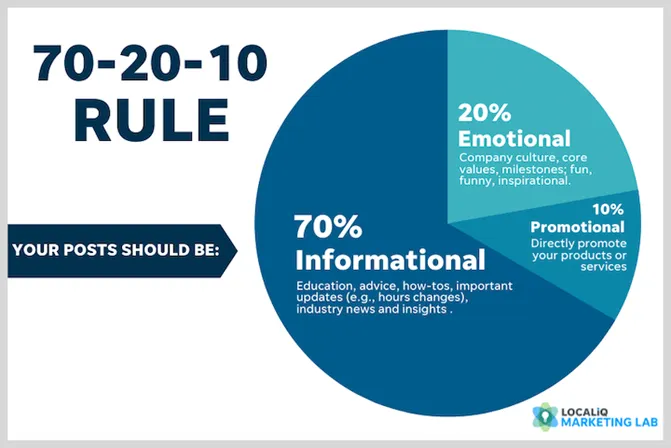
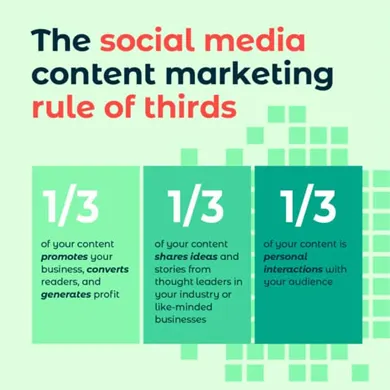
Developing a Content Strategy: A robust content strategy outlines the types of content to be shared, the frequency of posting, and ensures consistency in messaging and branding. It should incorporate a mix of content formats such as videos, images, blog posts, and user-generated content to keep the audience engaged.
Utilizing Analytics and Insights for Data-Driven Decisions: Social media analytics tools offer valuable data on audience engagement, content performance, and demographic insights. Analyzing these metrics enables marketers to refine their strategies, identify trends, and optimize content for maximum impact.
Engaging with Your Audience: Actively engaging with your audience fosters a sense of community and strengthens brand loyalty. Responding promptly to comments, messages, and mentions demonstrates responsiveness and builds trust with followers.
Building and Nurturing Online Communities: Cultivating online communities around shared interests or values can enhance brand advocacy and customer loyalty. Encouraging user-generated content, hosting live events, and facilitating discussions can foster a sense of belonging and collaboration among community members.
Leveraging Influencer Partnerships and Collaborations: Collaborating with influencers and thought leaders can amplify brand reach and credibility. Identifying influencers whose values align with your brand and nurturing authentic relationships can lead to impactful partnerships and endorsements.
Implementing Crisis Management Protocols: Social media crises can arise unexpectedly and escalate rapidly. Having a well-defined crisis management plan in place, including designated spokespersons, escalation procedures, and prepared responses, is essential for mitigating reputational damage and restoring trust.
Maintaining Authenticity and Transparency in Communication: Authenticity and transparency are key pillars of effective social media communication. Being genuine, honest, and transparent in interactions with your audience fosters trust and credibility.
Staying Updated with Industry Trends: The social media landscape is constantly evolving, with new features, algorithms, and trends emerging regularly. Staying informed about industry developments, attending conferences, and networking with peers can help marketers stay ahead of the curve and adapt their strategies accordingly.
Tools and Resources for Social Media Management
In the ever-evolving landscape of social media management, having the right tools and resources at your disposal is crucial for success. From content creation to scheduling and analytics, the right platform can streamline your workflow and elevate your social media presence.
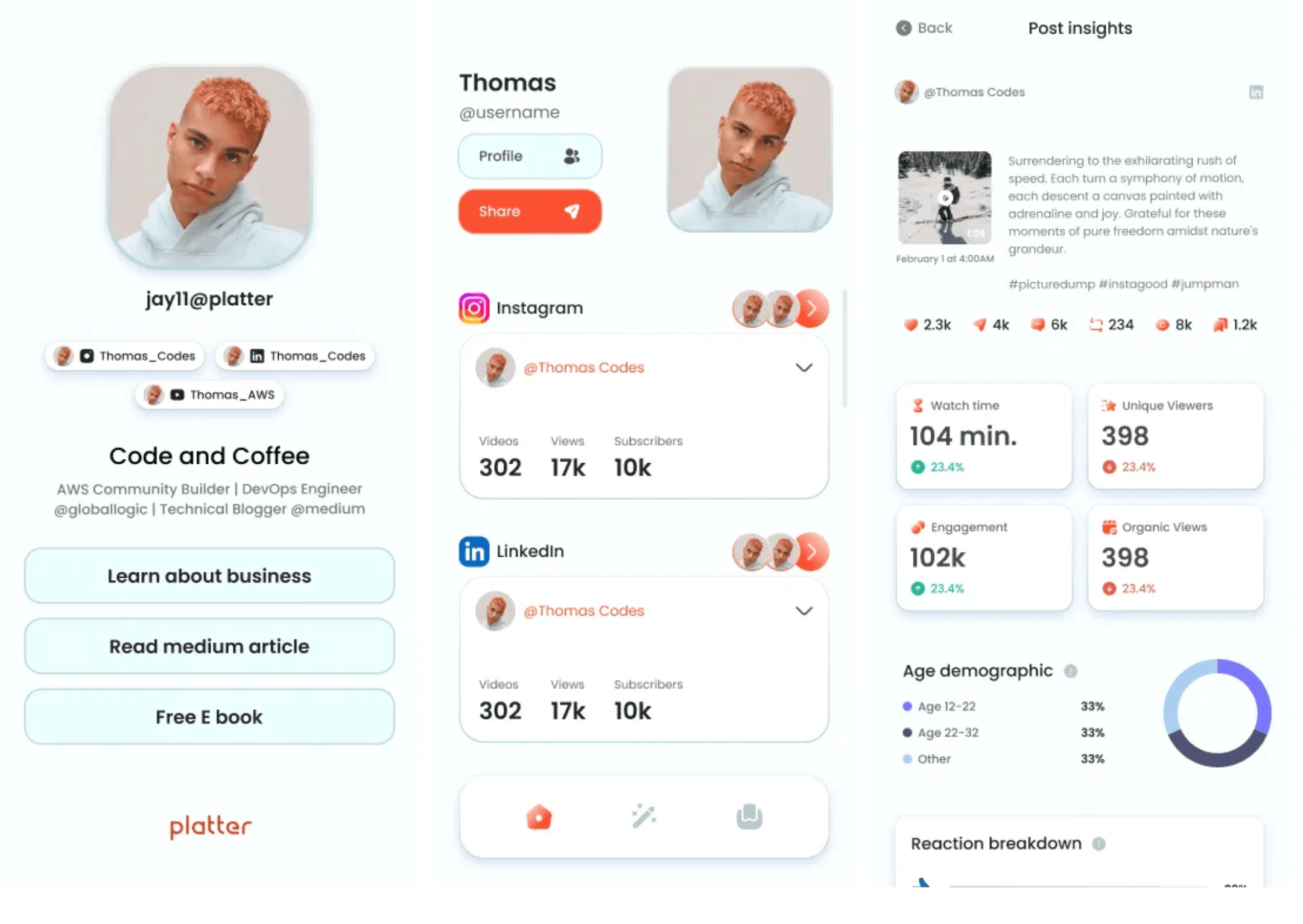
PlatterHub.ai: With its user-friendly mobile interface and cutting-edge AI technology, Platter simplifies content creation and editing like never before. Seamlessly schedule and manage posts across top social media platforms such as Instagram, Facebook, YouTube, and LinkedIn. Plus, gain valuable insights with PlatterHub’s analytics tools to enhance your social media strategy. Platter is revolutionizing the way creators engage with their audience — experience it for yourself!
Hootsuite: Offers scheduling, monitoring, and analytics features for multiple social media accounts.
Buffer: Simplifies content scheduling and offers analytics insights to optimize social media performance.
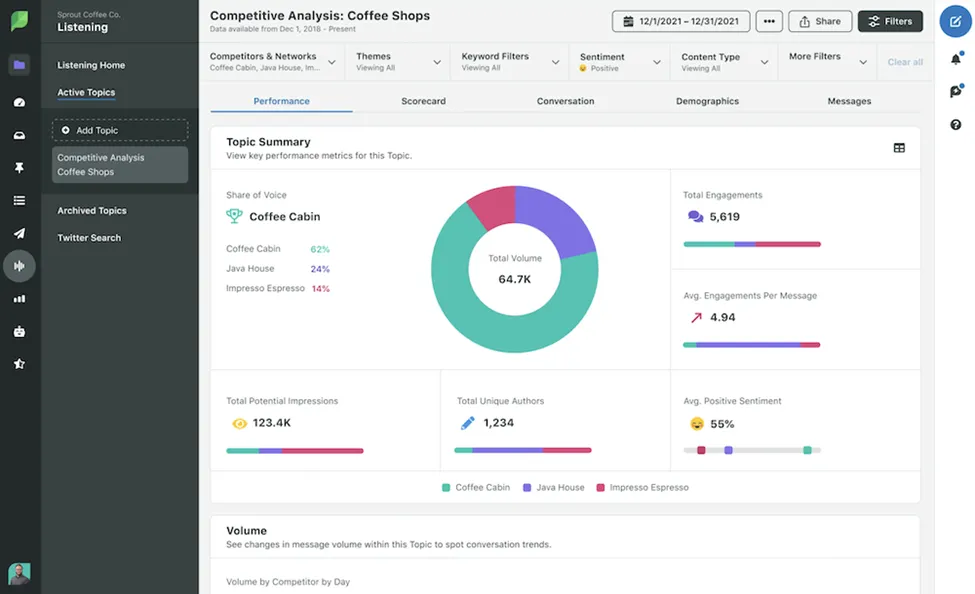
Sprout Social: Provides comprehensive social media management tools, including scheduling, engagement, and analytics capabilities.
Canva: A user-friendly design tool with templates for creating graphics, presentations, and social media posts.
Later: A social media scheduling platform that allows users to plan and schedule posts across multiple platforms, including Instagram, Facebook, X, and Pinterest.
Ethical Considerations in Social Media Management
Ethical considerations play a pivotal role in social media management practices. From user privacy and data protection to transparency in sponsored content and combating misinformation, ethical dilemmas abound in the realm of social media.
Respect for User Privacy and Data Protection: Social media managers must prioritize the protection of user privacy and sensitive information. This includes obtaining explicit consent before collecting and using personal data, adhering to privacy policies and regulations such as GDPR, and implementing robust security measures to safeguard user information from unauthorized access or misuse.

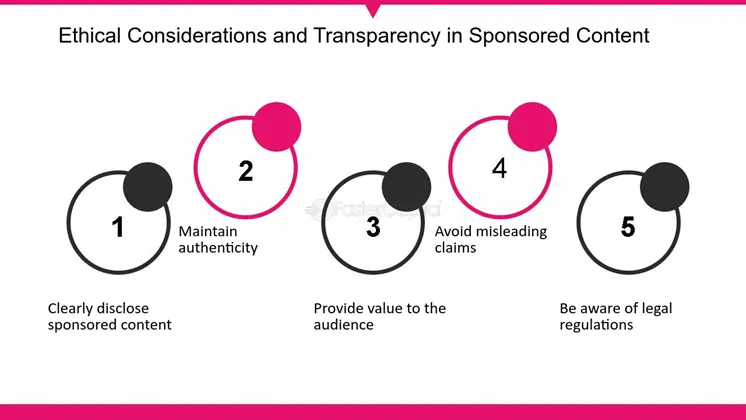
Transparency in Sponsored Content and Advertising: It is imperative for brands and influencers to be transparent about sponsored content and advertising on social media platforms. Disclosures should be clear, prominent, and easily understandable to users, indicating when content is paid for or sponsored. Transparency fosters trust and integrity in brand-consumer relationships and helps mitigate potential legal and ethical concerns regarding deceptive advertising practices.
Avoiding Misinformation and Fake News Dissemination: Social media managers have a responsibility to combat misinformation and fake news dissemination by promoting accuracy, fact-checking, and critical thinking. This entails verifying the credibility of sources before sharing information, scrutinizing content for accuracy and bias, and refraining from spreading unverified or misleading information. Additionally, social media platforms should implement measures to detect and address misinformation, such as content moderation policies, algorithmic adjustments, and partnerships with fact-checking organizations.
Conclusion
In conclusion, effective social media management is paramount in today’s digital landscape. It encompasses defining objectives, understanding audience preferences, and leveraging analytics for informed decisions. Engaging with the audience, fostering communities, and maintaining transparency are vital for building trust. Social media’s importance lies in its capacity to drive brand growth, foster engagement, and build communities. However, challenges such as privacy issues and evolving algorithms persist. Continuous adaptation is key to addressing these challenges. Social media managers must stay updated on trends and embrace innovation while prioritizing ethical conduct. Future research should focus on interdisciplinary collaboration and emerging trends like AI. Understanding social media’s psychological and sociological impacts is crucial. Moreover, developing comprehensive ethical frameworks can guide responsible social media practices. In essence, effective social media management requires strategic planning, ethical considerations, and continuous learning. By embracing these principles, organizations and individuals can leverage social media’s potential for meaningful impact.
PlatterHub.ai
Your Ultimate Influencer Companion!
Unlock the power of a cutting-edge platform designed to elevate every aspect of your creative journey. Platter Hub seamlessly integrates a suite of AI-powered tools, streamlining influencer’s workflow from start to finish. Say goodbye to inefficiencies and hello to optimized productivity.
With Platter Hub, influencer can orchestrate their entire process, from ideation to monetization, with ease. Our intelligent tools are finely tuned to maximize your income potential, empowering you to focus on what you do best: creating.
